Empowering Lives: Top Cancer Health Tips and Resources for Survivors and Caregivers
Navigating a cancer diagnosis can feel like embarking on an uncharted journey. For many, the very word ‘cancer’ evokes fear and uncertainty. Yet, within these shadows lies hope and empowerment. As cancer survivors, it's paramount to arm ourselves with the right cancer health tips and resources, turning the pages of our narrative from victimhood to resilience. Start by asking yourself—how can I transform this journey into a source of strength?
At the heart of survivorship is not just treatment, but a comprehensive approach to cancer management. Survivors often face unique challenges ranging from physical side effects to emotional upheaval. Engaging actively in your cancer education can provide you with valuable insights into cancer treatment options tailored for your needs. For instance, consider joining an oncology blog that focuses on the latest cancer news and survivor stories—because sometimes it’s the shared experiences that light the path ahead.
One of the most vital aspects of a survivor’s journey is adopting a cancer lifestyle that emphasizes wellness. This might include nutritional changes, physical activity, and mindfulness practices. You may wonder, 'How can I set achievable health goals amidst this battle?' Begin by consulting with oncology support groups or nutritionists specializing in holistic cancer care. Remember, your body is your greatest ally and nourishing it can have profound effects on your overall well-being!
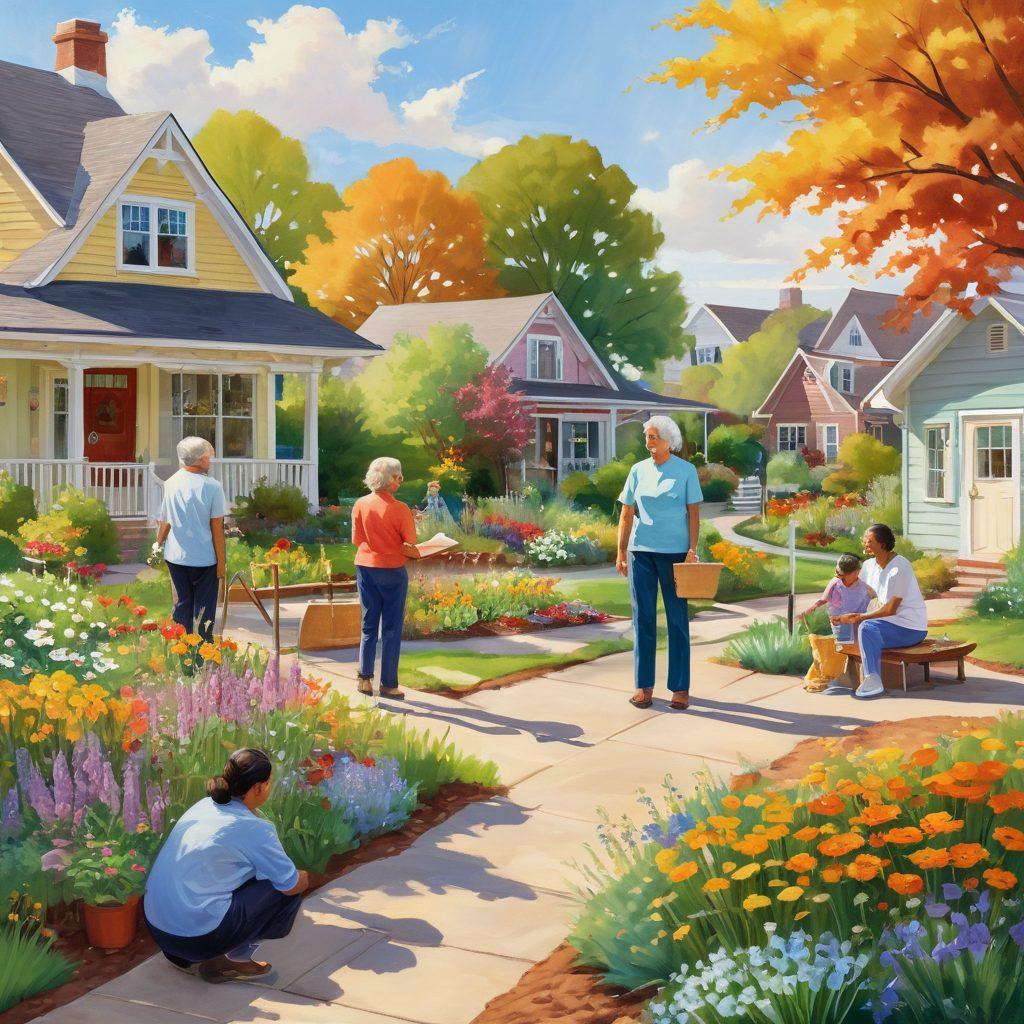
As we weave through the intricate patterns of cancer survival, it becomes apparent that community plays a monumental role. Engaging with other cancer survivors provides a support network that can often feel like a lifeline. These connections foster patient advocacy, allowing you to navigate the emotional and practical aspects of cancer management more effectively. Don’t hesitate to reach out to local cancer resources or online forums; you may find that sharing your story can ignite strength in others facing similar battles.
Lastly, let’s address the importance of staying informed about cancer statistics and medical research advancements. With our ever-evolving understanding of cancer, being proactive about your health and choices can empower you to take control of your journey. What cancer prevention techniques can you incorporate into your daily routines? From regular screenings to awareness of tumor symptoms, knowledge is a powerful tool. Together, let us empower each other through informed choices, creating a vibrant cancer community that thrives on resilience, hope, and support.
Connecting with Community: Resources and Support for Caregivers
In the tumultuous journey of cancer treatment, caregivers play a crucial role that is often overlooked. Have you ever thought about the weight they carry on their shoulders - not just the emotional toll, but also their need for support and connection? As a key pillar in the oncology support system, caregivers often seek resources that can provide both practical assistance and emotional reassurance. Connecting with a community can be a transformative step for caregivers who aim to navigate the complexities of cancer management and support their loved ones effectively.
Imagine being part of a vibrant cancer community where sharing experiences, advice, and emotional support are as common as exchanging pleasantries. This type of oncology blog can be a treasure trove for caregivers, filled with cancer health tips, personal stories of resilience, and valuable cancer education resources. Caregivers can find solace knowing that their struggles are shared by many and that these online platforms can offer vital connections. Remember, you're not alone - your journey is part of a larger narrative that can inspire and empower others in similar situations.
Have you ever considered that seeking help is a sign of strength and not weakness? Many organizations specialize in providing resources for cancer survivors and their caregivers. From local support groups to national advocacy organizations, these resources provide a wealth of cancer statistics, treatment options, and even holistic cancer care practices. Engaging with these communities can open up avenues for discussions about cancer therapy, lifestyle adjustments, and patient advocacy. Taking that first step to reach out can lead to lasting friendships and invaluable insights.
The power of connection can be life-changing. When caregivers meet others facing the same challenges, there’s an unspoken understanding that binds them together. Quoting Maya Angelou, "I can be changed by what happens to me. But I refuse to be reduced by it.” This mindset is crucial for caregivers, who must find time to manage their own well-being amidst the demands of caring for someone with cancer. By participating in community events or online forums, caregivers can share their experiences, learn cancer prevention strategies, and collaborate on new approaches to cancer lifestyle choices.
In conclusion, connecting with community resources can significantly enhance the caregiving experience. Whether it’s through an oncology blog, local support group, or an online forum, there’s always something to gain from sharing, learning, and growing together. In the world of medical research, advancements are constantly being made in cancer diagnosis and treatment options, and caregivers need to be informed. Together, let’s continue thriving in our cancer community, ensuring every caregiver feels supported and empowered in their invaluable role.
Empowerment Through Education: Key Insights on Cancer Treatment and Prevention
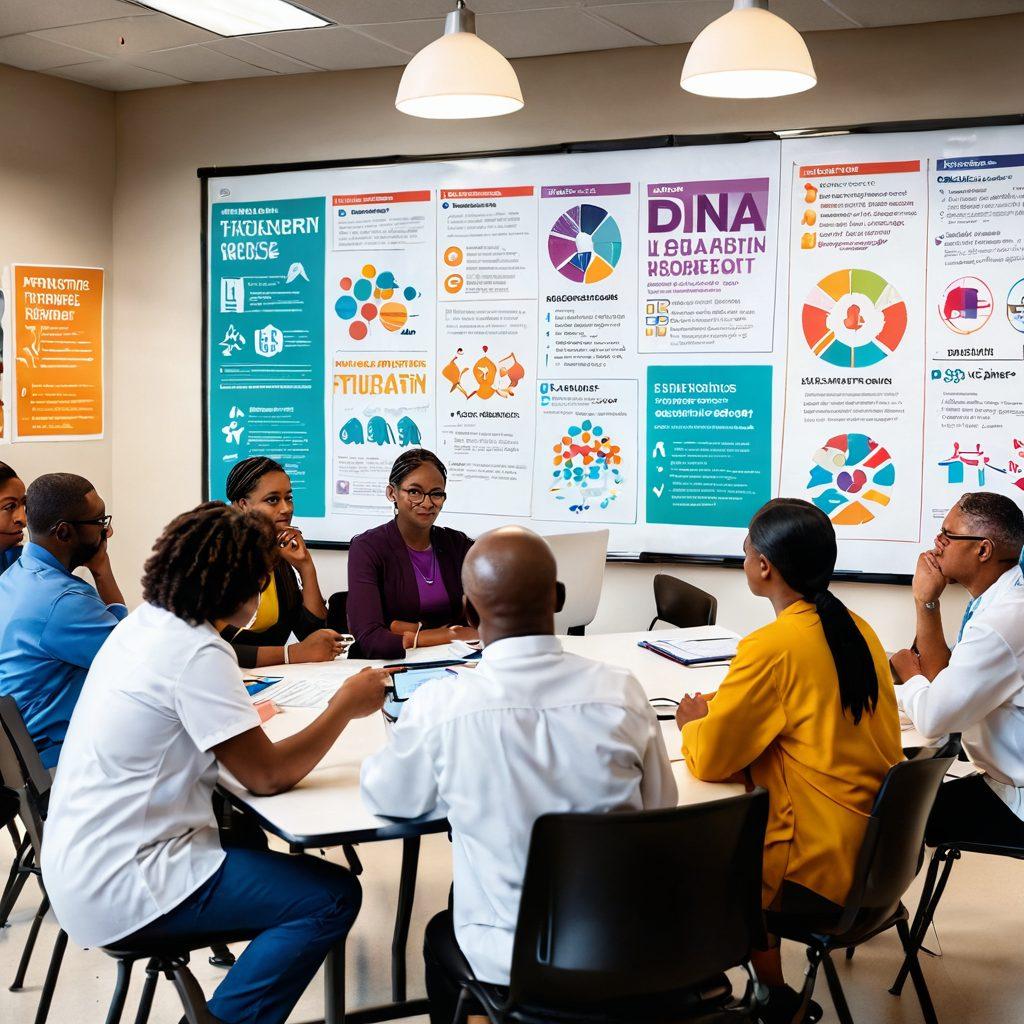
Education is the cornerstone of empowerment, especially when it comes to cancer treatment and prevention. Imagine being armed with knowledge that not only encourages a proactive approach to health but also fosters resilience in the face of adversity. That's the transformative power of cancer education. For cancer survivors, caregivers, and everyone affected by this disease, understanding the landscape of cancer treatment options can be nothing short of life-altering. In this oncology blog, we delve into key insights that can truly make a difference.
Did you know that many patients find themselves in the dark when it comes to understanding their cancer diagnosis? A staggering statistic reveals that nearly 70% of cancer patients feel overwhelmed by the information available. This is where patient advocacy becomes crucial. By actively seeking cancer health tips and connecting with cancer support groups, individuals can reclaim control over their health and wellness journey. You might be wondering, 'How can I ensure I’m making informed decisions about my treatment?' This inquiry is the first step towards mastery over one’s cancer management and lifestyle.
In the realm of medical research, new findings are constantly reshaping our understanding of cancer therapies and prevention strategies. For instance, recent studies emphasize the importance of a holistic approach to cancer care, intertwining traditional treatments with nutrition, exercise, and mental health support. Such an approach not only enhances recovery but also enriches the quality of life for cancer survivors. It's inspiring to note that many cancer communities are creating robust resources to help individuals embrace these cancer lifestyle changes. Why not get involved and explore these cancer resources today?
Let's take a moment to reflect: How many times have we brushed off our health due to our busy lives? Unfortunately, many of us forget that prevention plays a pivotal role in reducing cancer risk. Insights on tumor awareness and cancer prevention strategies can be valuable nuggets of information. Regular screenings, healthy eating habits, and mindfulness practices can launch us towards a better future. Imagine a world where cancer statistics reflect a growing community of informed individuals choosing proactive health measures!
At the end of the day, empowering through education is not just about consuming information—it's about sharing it. The cancer news that flows through our community can become a source of inspiration and motivation. Together, we can support one another in overcoming the challenges posed by cancer. So, whether you are a survivor, a caregiver, or simply someone aiming to contribute to this cause, remember the impact of collective growth. Join the conversation in the oncology support networks and become an advocate for yourself and those you love. Freely exchanging insights on cancer treatment and preventive measures can pave the way for a stronger, more resilient cancer community.